
Are You Actually Hydrated? What Your Body is Saying About Your Water Intake


You’ve heard it before: the constant reminder to drink water. Whether it is to settle your stomach or to achieve clear skin, water is usually the primary solution for immediate bodily issues. While hydration is an essential part of health, our bodies show the need for it in ways unknown and unnoticeable to the plain eye. Understanding hydration isn’t just about checking off daily goals; it's about listening to your body throughout the day.
Water is essential for life, making up 60 percent of our body weight and playing a vital role in supporting our major systems. Our bodies can’t regulate their temperature without water, nor can our eyes, nose, and mouths stay moist. Water protects our organs and tissues, lubricates joints, transports nutrients and oxygen to cells, and much more. Our movements literally depend on water.
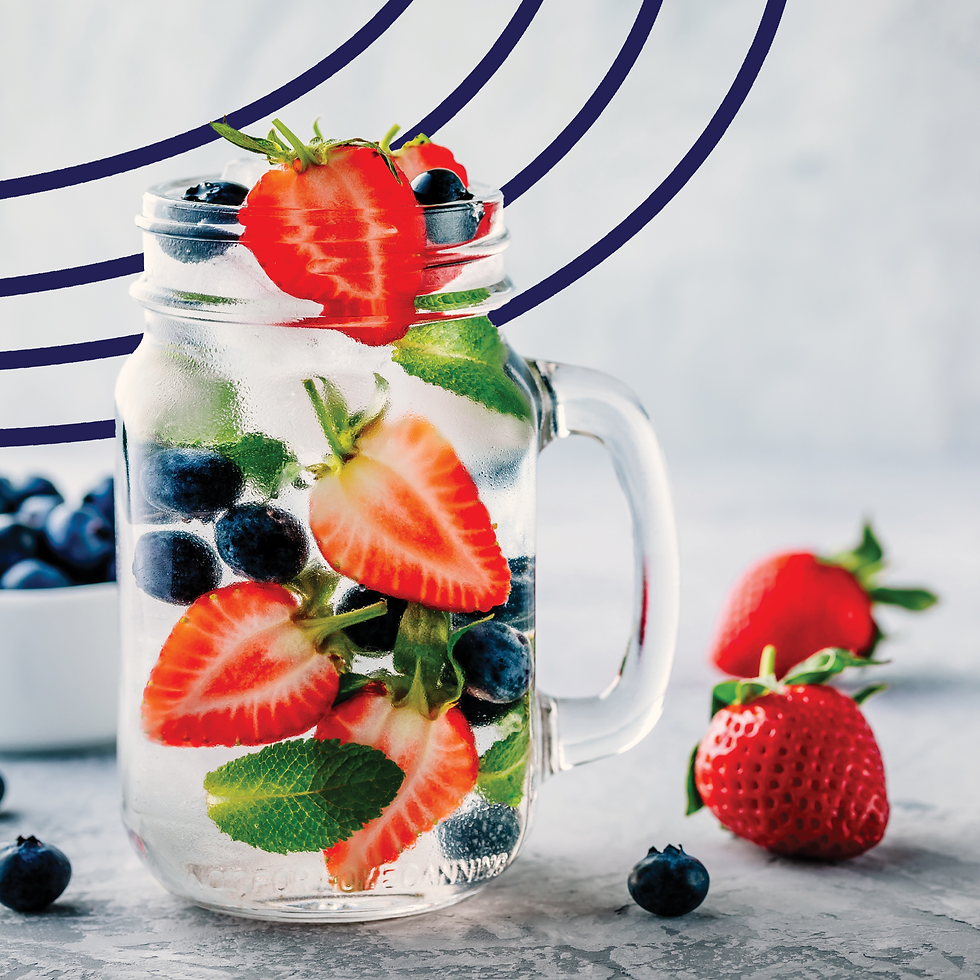
However, plain water isn’t the only way you can hydrate. In general, according to eatright.org, “sparkling water and fat-free milk can be good alternatives for hydration”, along with fruits and vegetables such as grapes, strawberries, watermelon, spinach, carrots, and lettuce, which are high in water content. Also, adding flavoring to your water, such as fresh lemon or lime juice, can be a good alternative.
As water plays an important role, it is easy to overlook the subtle signs of dehydration between classes, social activities, and compact schedules. To ensure that you are properly hydrated, here are a few subtle signs to look for to check in with yourself:
Headache: Your Brain is Thirsty
Have you ever felt a mild pain in your head that you can’t pinpoint the cause of? You may be mildly dehydrated. “When your water intake is low, your brain can temporarily shrink, pulling slightly away from your skull and triggering pain”, according to my.clevelandclinic.org. Water helps relieve that pain, bringing the brain back to its regular size.
Bad Breath and Dry Mouth: Something Even Gum Can’t Fix
During long days, bad breath is common and often fixed with gum or mints while on the go. However, dehydration affects breath by causing dry mouth. Saliva is essential for maintaining oral hygiene, aiding digestion, and protecting teeth. When dehydrated, saliva production decreases, reducing its ability to wash away food and bacteria. This buildup results in bad breath and dry mouth.

Loss of Energy: Something Even Sleep Can’t Fix
If you find yourself with low energy, you may not have been properly hydrated throughout the day. Mild dehydration can cause the body to work harder to maintain basic functions, hindering the proper delivery of oxygen and nutrients to the brain and muscles. As a result, you may feel sluggish and mentally fatigued. Be sure to check in with yourself and ask yourself, “How much water have I drunk today?” If you are unsure, chances are you need to reach for a water bottle.
While the amount of water one should drink each day varies by source, MayoClinic.com notes that we aim for 8 ounces of water daily. However, it depends on your activity level. If you have a more active day and sweat more, drink additional water. Remember to listen to your body, as it will be the first to signal what you need.


Comments